Spoiler Alert: This summary and review contains spoilers.
Additionally, some images and text may include affiliate links, meaning we may earn a commission or receive products if you make a purchase.
Furious: Season 1 Details
Check out our page for this series, which features more recaps, reviews, and articles, or our TV series page for our latest recaps, reviews, and recommendations.
Also, please note our season reviews toe the line between assuming you may have watched the show, but avoiding notable spoilers in case you haven’t.
Season 1 Summary

Alice is a newly appointed FBI Agent and former NYPD officer. She made the switch after a series of domestic violence incidents caused by her now ex-boyfriend, Marshall. But in the process of leaving the NYPD, she also left her partner, Danny, behind, who went to bat for her, even as everyone else claimed she was a liar or trying to ruin Marshall’s career over a bad breakup.
Now at the FBI, Alice is answering phone calls from conspiracy theorists and others who know the FBI tip line exists. That is, until Danny calls about a homicide, which ends up being a serial killer case. Being new to the FBI, some don’t take well to Alice being part of a case and not paying her dues like everyone else. However, as the case grows in significance and even triggers the sex crimes unit to get involved, Alice does her best to stay on, especially since she wants to join C-20 under the leadership of Nora Washington.
But Nora is a tough cookie. Just because her unit is an undesirable one doesn’t mean she takes any and all who wish to join. So alongside trying to take down a serial killer, Alice is trying to prove she has what it takes to join Nora’s team and overcome her personal issues, which could hold her back.
Review
Highlight(s)
Catherine [86/100]

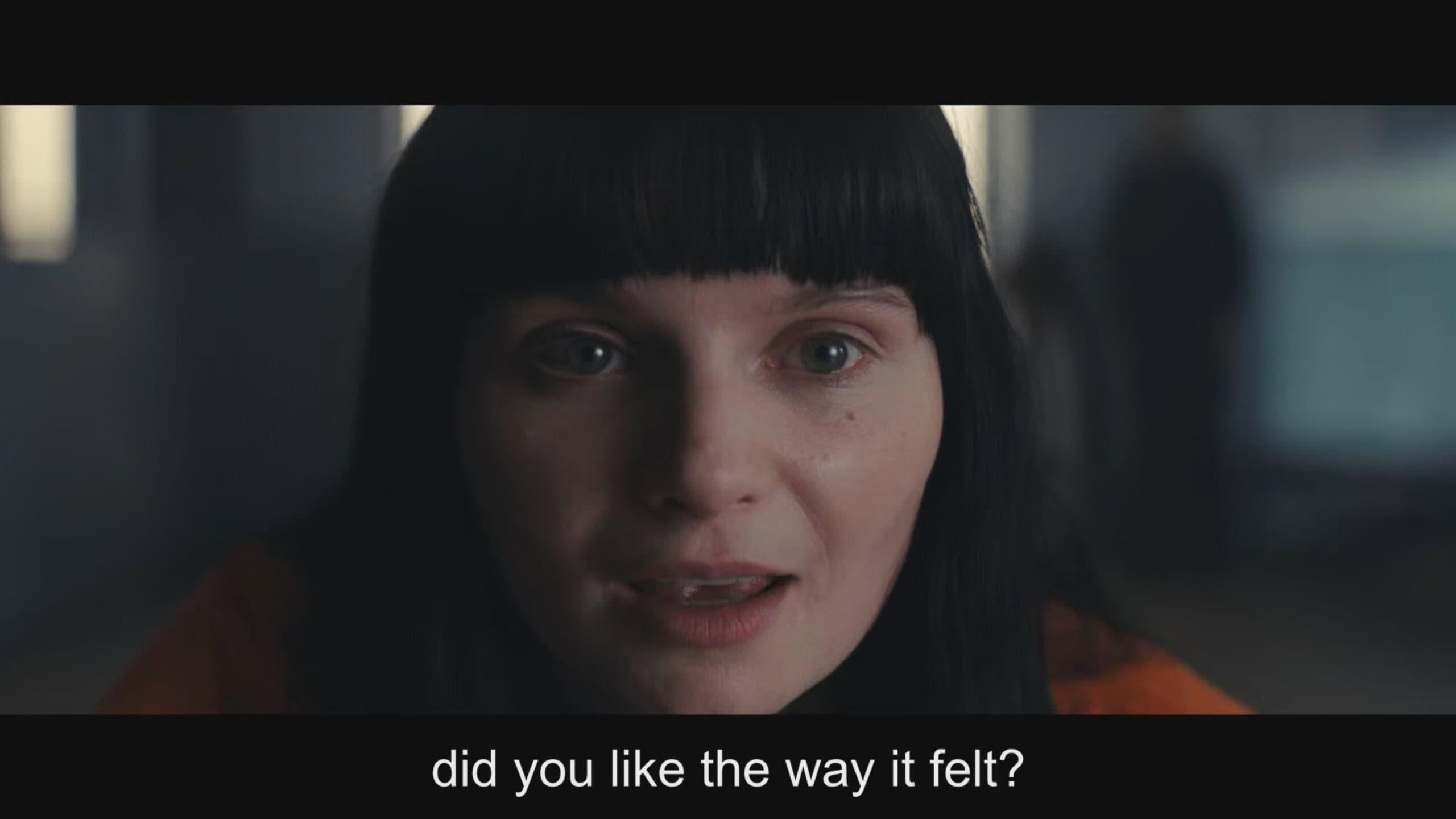
At first, you may think that, with how eccentric she comes off, Catherine will be something akin to Villanelle from Killing Eve. But as things unravel, you learn she isn’t a psychopath or spy, but rather a woman who, as a child, was forced into sex work and is seeking revenge. Which, thankfully, isn’t all the character has to offer – making perpetrators, or their supporters, die by fentanyl overdoses.
Catherine is shown to be capable of kindness, without necessarily expecting anything in return. We see this through her relationship with Elena, who she tries to be in the life of. Her relationship with Alden, the source of her fentanyl, doesn’t seem to be about using him as a resource, but truly enjoying being around him and being okay with him increasingly seeing all of her, not just an alias.
Add in her volunteering at a shelter for sex workers and the healthy ways she tries to process her trauma, like watching YouTube videos geared towards mental health, and you get the type of character who, is easy to latch onto.
Nora [83.5/100]
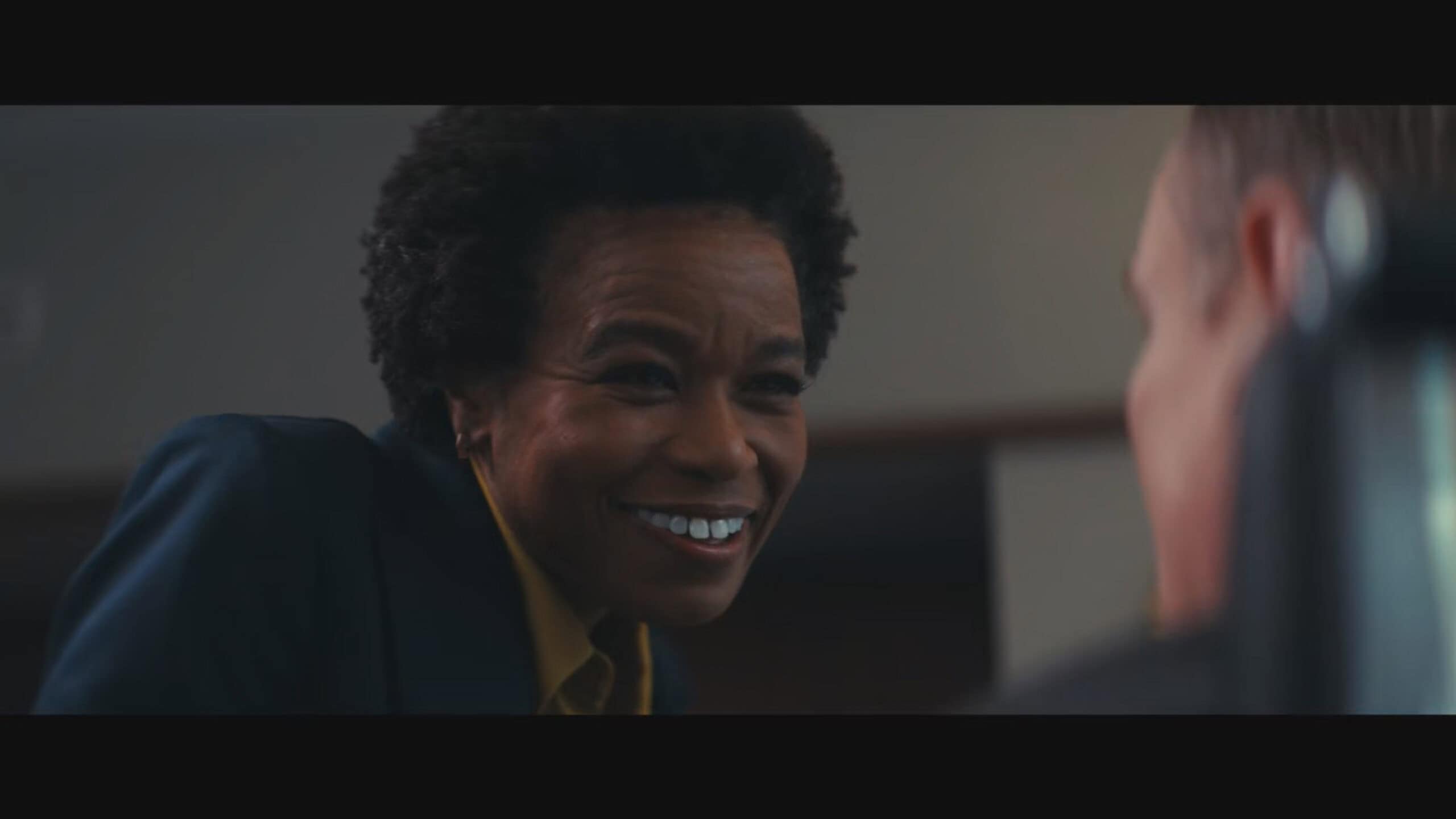
Like Catherine, Nora begins Furious paying the toll for being familiar. But while Catherine had just one character she could easily be compared to, Nora had every Black woman who was good at her job but had a messy personal life. This increasingly common archetype, popularized by the rise of How To Get Away With Murder and Scandal, initially made it seem Nora would be right out of the Shonda Rhimes-esque factory.
But like Catherine, the familiarity seems to have only been a tool to get Nora in the door, and once you get to know her, you see her as an individual. One who, as she faces off against a fellow FBI agent named Ed, becomes someone you may find yourself more invested in and rooting for than Alice at times. Especially as you learn everything she was up against to get the position she has, and the struggles she constantly faces to get justice when her peers think offenders are more useful for their long game.
I would even say, when it comes to Alice, who is a character often boosted by her various relationships, Nora gives something no one else does in being a genuine friend, mentor, and perhaps maternal figure. Now, granted, saying Nora is a maternal figure is questionable, but considering Alice’s own relationship with her mom, it is hard not to imagine, in Alice’s mind, not being taken by the leadership, the camaraderie, and the openness to be vulnerable. Never mind, Nora sees Alice, knows her story, and does not push her away. Rather, she uses her story to push her further and make her earn the place and space she claims she wants.
How It Handles Marshall and Alice’s Interactions [83/100]

It would be easy for Furious to simply make Marshall the abusive ex, paint him as an outright ass, and that’s it. But instead, they give nuance. They recognize there is still something there between him and Alice, and she does feel that pull sometimes. But she also hasn’t forgotten what he did, often when he was drunk, and the effect that had on her beyond the physical abuse.
For example, Alice is petrified of taking a shower alone. Early in the season, she even avoids properly washing because her mind is on edge when she even thinks of entering the tub. I’m talking, she brings her gun in, as if Marshall may magically appear in a rage.
Yet, when we get to see him, know him, things are complicated. He isn’t a saint by any means, nor someone who had one lapse of judgment. You’re allowed to see why Alice was attracted to him at one time. But through his actions and his mom’s, you can also see that, while willing to acknowledge what happened, he doesn’t take full accountability for the damage it caused Alice – more so the damage it caused his career.
Alden [84/100]

You rarely see characters like Alden beyond guest spots. So his relationship with Catherine being more than one episode, developed over time, and even acknowledged as something which may not be ideal but worth it to him, it created a unique experience. Not unique in the sense of spectacle, for even with Alden being involved with Catherine, it isn’t like he is killing people or some kind of mastermind behind the killings.
Rather, the word unique is used since we so rarely get characters like Alden, especially played by actors like Steve Way, and get a reminder that they exist in scripted content – Especially when the focus isn’t on their disability. For Alden is funny, mischievous, and sometimes can be an ass. He isn’t always lovable, and because he has feelings for Catherine, he certainly does enable her.
But, in allowing him to be multifaceted, it makes his need for certain medical equipment a minor part of his character’s identity. Something which has to be acknowledged, like Nora being a Black woman, or Catherine a former child sex worker, but not the end-all, be-all of who he is.
Understanding How To Use An Actor’s Charm To Create A Human Being Who Sometimes Isn’t Likable [85/100]
Emmy Rossum, if you ever choose to watch her interviews, is a very charming person. Bright smile, friendly disposition, and when the hair is out, she gives you middle school best friend vibes. This is an asset when it comes to her role as Alice, because those features don’t just go away. They become tools, so when Alice shows what kind of cop she is – when she goes hard when questioning someone, to the point of coming off callous – it creates an almost dissonance.
To me, that is the best way for a charming actor to tap into their public, or marketing persona, and utilize that to throw off an audience for a role. Because, on top of the dissonance it creates when Alice goes cold, it also keeps you close enough to wonder why she did that or what made her capable of tapping into that darkness.
For other types of actors, with different features, the ability to become such a person who is willing to accept some level of collateral damage for a lead or the truth could create a point of no return. But that innate charm paves a road for you to get back to feeling empathy for Alice, wanting her to succeed, and becoming long-term invested in her success, not in waiting for her downfall.
On The Fence
The System Is The Villain More Than Any Individual Person [74/100]
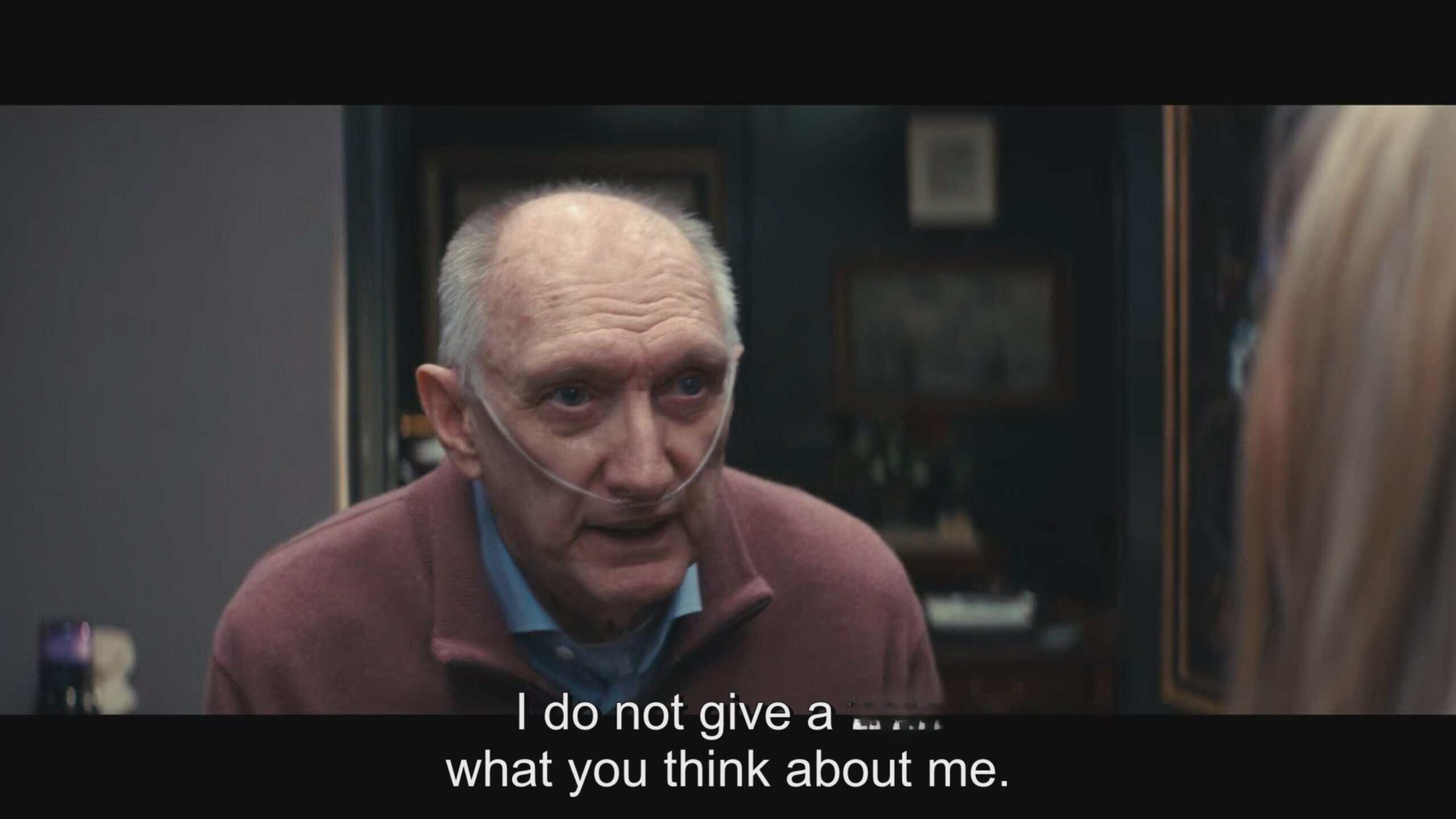
Jay Easton (Peter McRobbie) telling Emma he doesn’t care how she sees him in Furious Season 1 Episode 7 
Ed George (Danny McCarthy) in Furious Season 1 Episode 4
Two characters fit what could be considered a villain this season: Ed and Jay Easton. Jay Easton has been a paedophile for decades, assaulting, if not raping, who knows how many girls coerced into human trafficking. Ed? He is someone who not only has acted as an adversary to Nora since she started working at the FBI, but also operates by putting his career before justice.
Neither of these men are strong villains. Will you love to hate them? Yes. But they don’t match any of the women, be it Alice, Nora, or Catherine, in presence. They are simply written to be bad, performed to be villains, and aren’t really given any nuance, not even in the capacity that Marshall is given.
Now, can you really create a gray area for someone like Jay? No. But you can make him despicable in a way that makes someone’s blood boil. Furious doesn’t do that. In fact, because Jay is sick, we don’t see him that often, and Ed, instead, is pushed forward.
The problem is, Ed seems replaceable, the minion for something bigger, and by the end of the season you realize the system which allows people like Jay to exist is the villain. Thus making it seem like killing a mouse, or picking a weed, there is no solving the problem. All you are doing is identifying, maybe removing if you get the chance, one pest, but not stopping the core problem.
Which, in terms of building an antagonist, could become a problem in future seasons, because you know there isn’t really any winning, as Nora sometimes points out. All taking down a villain, or a place they created or frequent, may do is make things a little less convenient for a little while. But there will always be a new club, a new motel, a new set of girls, the rise of new pimps and traffickers, and never a permanent solution because the system isn’t made to solve problems. Instead, it looks for ways to keep the public from knowing a problem even exists by only taking down those who can’t be controlled or are too flagrant.
Understanding You Aren’t Going To Get All The Answers And The Perfect Ending To Cases [76/100]

This coincides with what might be another issue in that Furious isn’t going to give you the ideal ending. Everything is not resolved by the end of season 1 regarding Catherine’s case, and everything she brings up regarding Jay Easton. Questions remain that, based on the tone and how Furious is written, we may never get a follow-up on.
Depending on how you like your shows, especially procedurals, this could become a notable issue for you.
Alice & Danny’s Dynamic [73/100]

I am of the opinion that the male lead and female lead don’t always need to end up together. So when it comes to Alice and Danny, their almost brother/sister relationship presented at first was a relief. They had banter; you could tell there were some issues between them, and watching them resolve them could be fun. Heck, considering where Alice was, and where Danny was in life, maybe even healing.
But then it was continually hinted that there could be feelings between them, and timing was always the issue. Thus ruining what seemed like a good and necessary friendship for Alice. Who, granted, deserves a healthy relationship, but at times it did feel like any attraction built between the two was less about chemistry and romance, and more about convenience for the characters and the writing of the show.
Overall
Our Rating (80/100): Positive (Watch This)

Furious is a curious case of taking what the audience is familiar with to get their interest, and then paving its own way to not only stand out, but be memorable on its own. Sometimes this works in excellent ways, like with Catherine, Nora, and Alden.
However, then there is how it handles villains and its tendency to leave certain cases hanging on an ellipsis. Add in it giving in to some standards, like the male lead and female lead having feelings for one another, and while you will be invested in seeing more, it isn’t without hoping certain elements are changed, abandoned, or improved.
Check Out Our Coverage Of This Season
Furious: Cast & Character Guide
This is a show and character reference guide for Hulu’s Furious — Whether you’re just starting or revisiting the story, this guide will help you navigate the people, places, and lore that define its world.Furious: Season 1 Episode 8 [Finale] – Recap and Review
We finally learn what happened to Isabel and whether or not the first season will end with her getting justice – and whether Catherine may live to see it.






TV Shows We’re Covering This Season
Images used for editorial and commentary purposes. All rights remain with their respective copyright holders.