The Greatest: Season 1 – Review | Muhammad Ali as a Trojan Horse
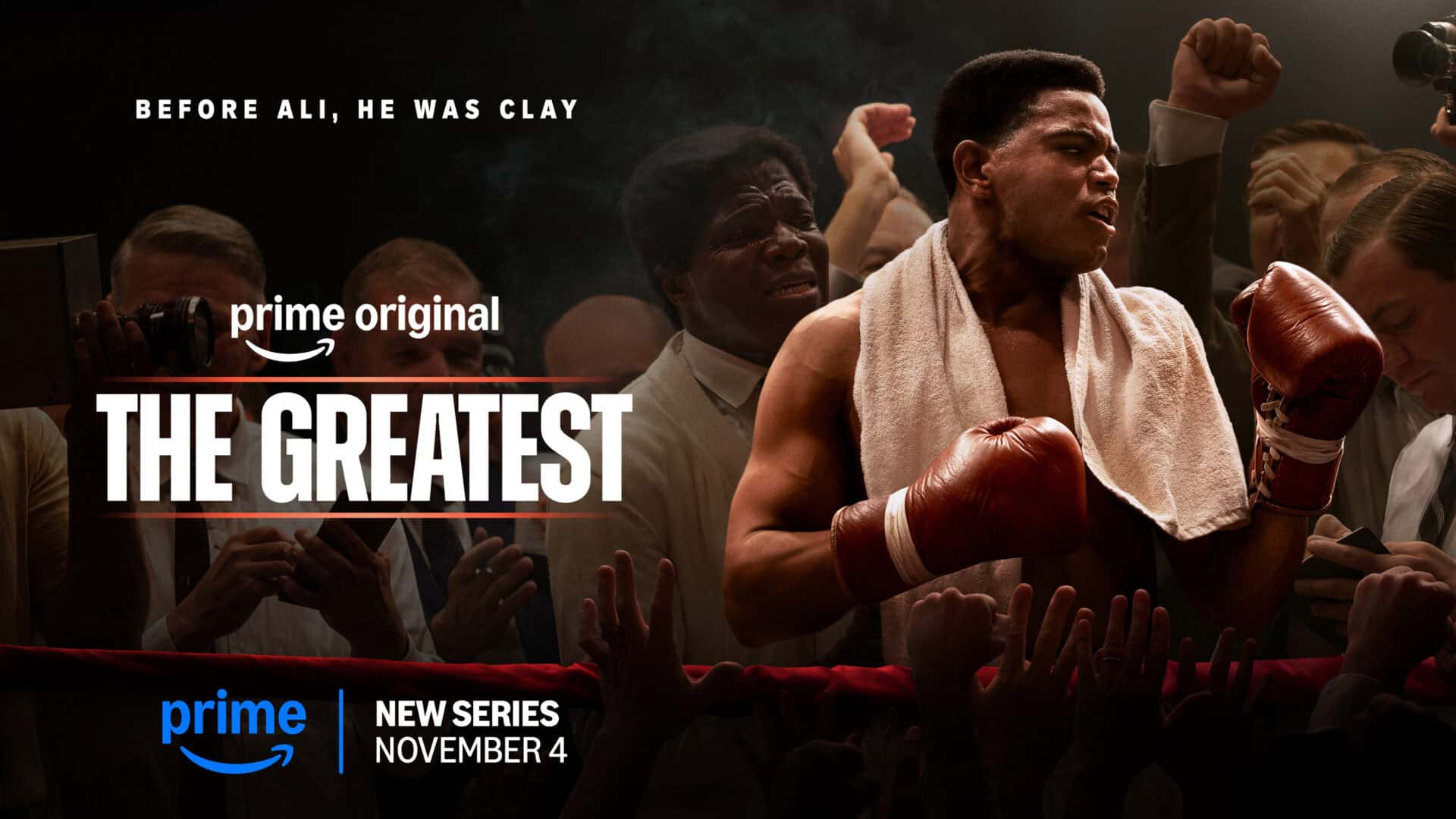
The Greatest may lead you to believe it is all about the rise of Muhammad Ali, but often it points your focus to names like Gorgeous George, whose story isn’t as often adapted as Ali’s.
[Unless Said Otherwise] Spoiler Alert: This summary and review contains spoilers.
Additionally, some images and text may include affiliate links, meaning we may earn a commission or receive products if you make a purchase.
The Greatest: Season 1 Details
- Number of Episodes: 8
- Network: Prime Video
- Genre(s): Drama, Young Adult, Biopic, Sports
- Renewal Status: To Be Determined
- Check out our TV series page for our latest recaps, reviews, and recommendations.
Season 1 Summary
Covering the period between Cassius Clay returning home with an Olympic Gold Medal to winning the World Heavyweight Championship and proclaiming his name as Muhammad Ali, season 1 of The Greatest recounts all of Ali’s influences, the obstacles, and how his stubbornness, flashiness, and faith in himself created the perfect storm which would have ripped apart any other man.
Review
Highlight(s)
It Draws You To Take Interest In Those Who Made Ali The Greatest [85/100]
As an American, especially a Black American, knowing who Muhammad Ali is, is like knowing who Michael Jackson is. His story is not only well-documented but has been told in Oscar-nominated movies, docuseries and documentaries, children’s books, and more. Ali is even featured in video games, from those focused on boxing to WWE’s annual releases.
Amin Joseph 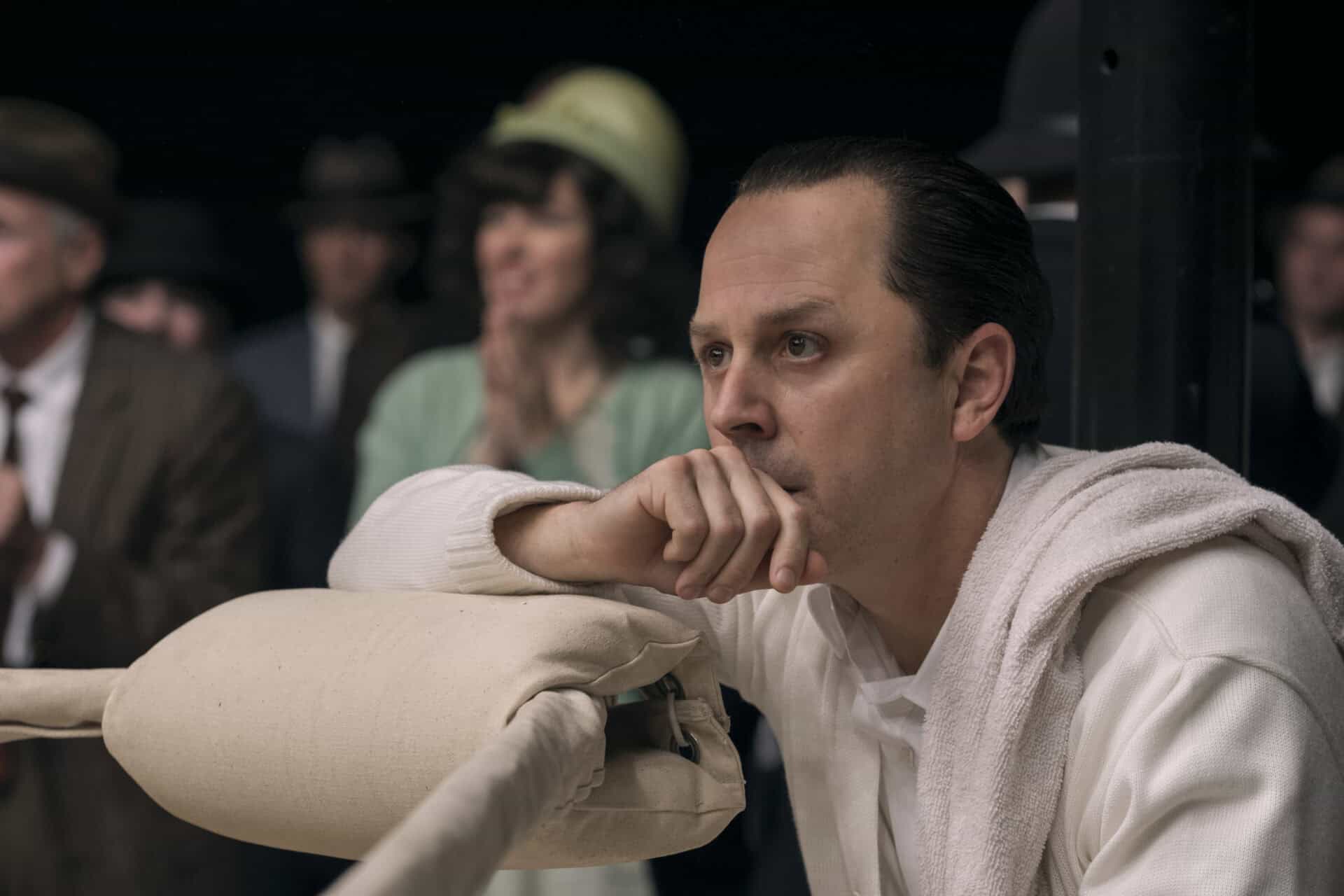
Giovanni Ribisi
So with that in mind, it is easy to understand why The Greatest wanted to not rehash familiar territory but bring your attention to those who inspired or pushed Ali. Be it the wrestler Gorgeous George, who inspired Ali’s antagonistic style towards his opponents; Angelo Dundee, who was his trainer for the majority of his boxing career; or even the man he defeated for the world heavyweight title, Sonny Liston.
Throughout the 8-episode season, we see the men named, and others, enter Ali’s life and leave an impression on not only one of the greatest athletes and entertainers ever, but you as well. Leading to the desire to Google them, wonder if they have media out there where you can learn their story, see their highlights, and ultimately it leaves The Greatest feeling like Ali was used as a Trojan Horse to get you invested in the story of his peers and influences.
A Deeper Appreciation For The Challenges Of Being Non-Christian In The Public Eye [81/100]
More often than not, if a character is Black in anything, be it a show, book, or movie, the assumption is they’re Christian. Which is why we appreciated that there was a strong focus on Ali, then Cassius Clay’s, struggle not only in public, claiming and practicing being a Black Muslim, but also the conflict that caused at home.
Note, his brother Rudy is presented as the person who introduced him to the faith, and with a deep love for his mother Odessa, a devout Christian, you could see the immense conflict. She raised him in the church, credits the organization for guiding her as a mother, a wife, a provider for her family, and here her son is, seemingly receiving a consistent flow of blessings, and turning his back on what got her through life, and what she sees as protecting him.
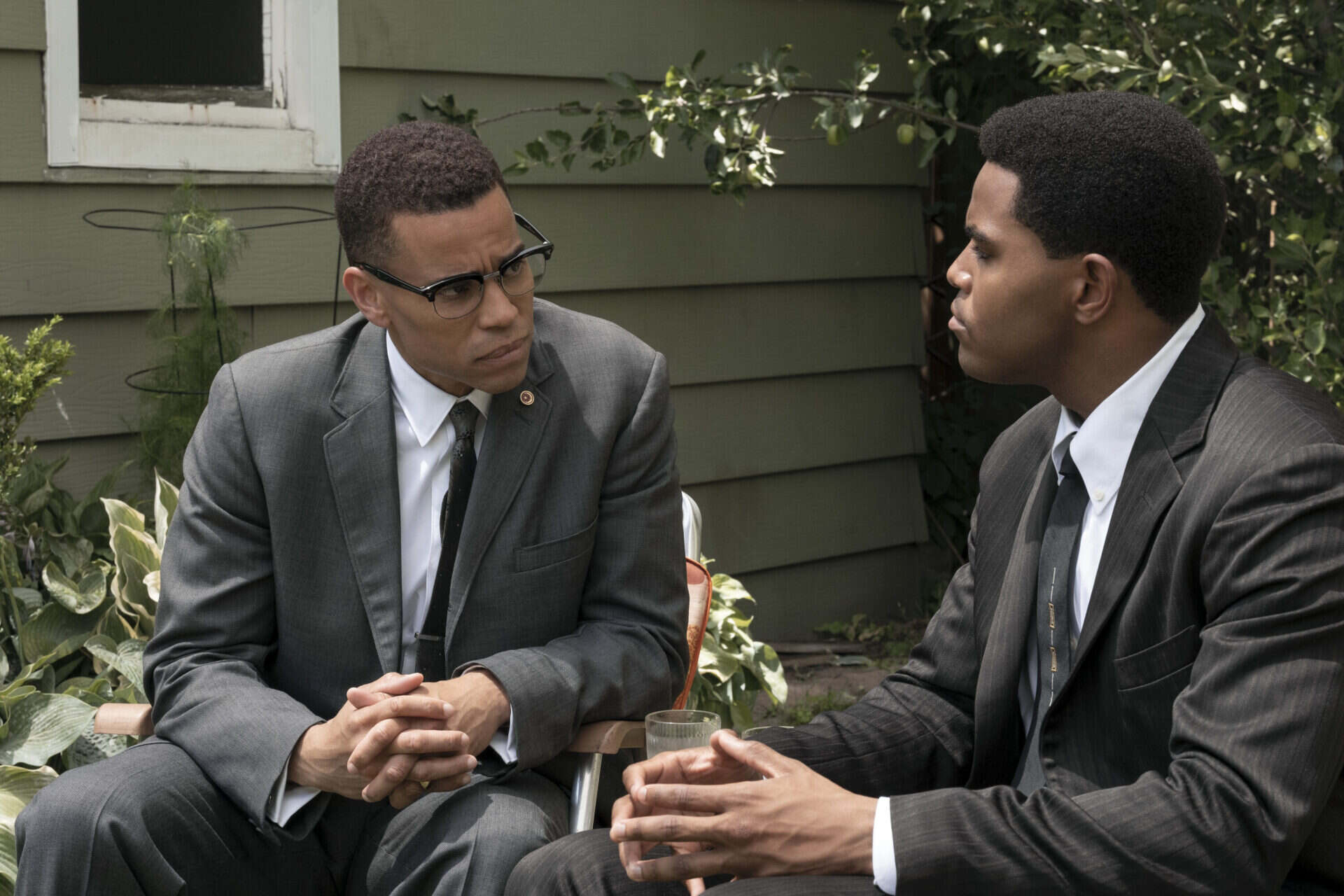
How he navigates his faith in private honestly brings more interest than how he did in public. With Malcolm X featured in the production, it is all too easy to be reminded of his rhetoric at the time and both the misunderstanding and fear the public had from manipulation of his speeches and sermons. So he largely takes the brunt of the public perception.
This makes Ali’s navigating it privately feel bigger and more impactful. Publicly, Ali is often presented as sure of himself, but behind closed doors, Odessa, Rudy, and Cassius Sr. saw him when vulnerable, torn between decisions, and fighting between his insatiable need for autonomy and his desire to be close to his family.
On The Fence
The Family Drama [73/100]
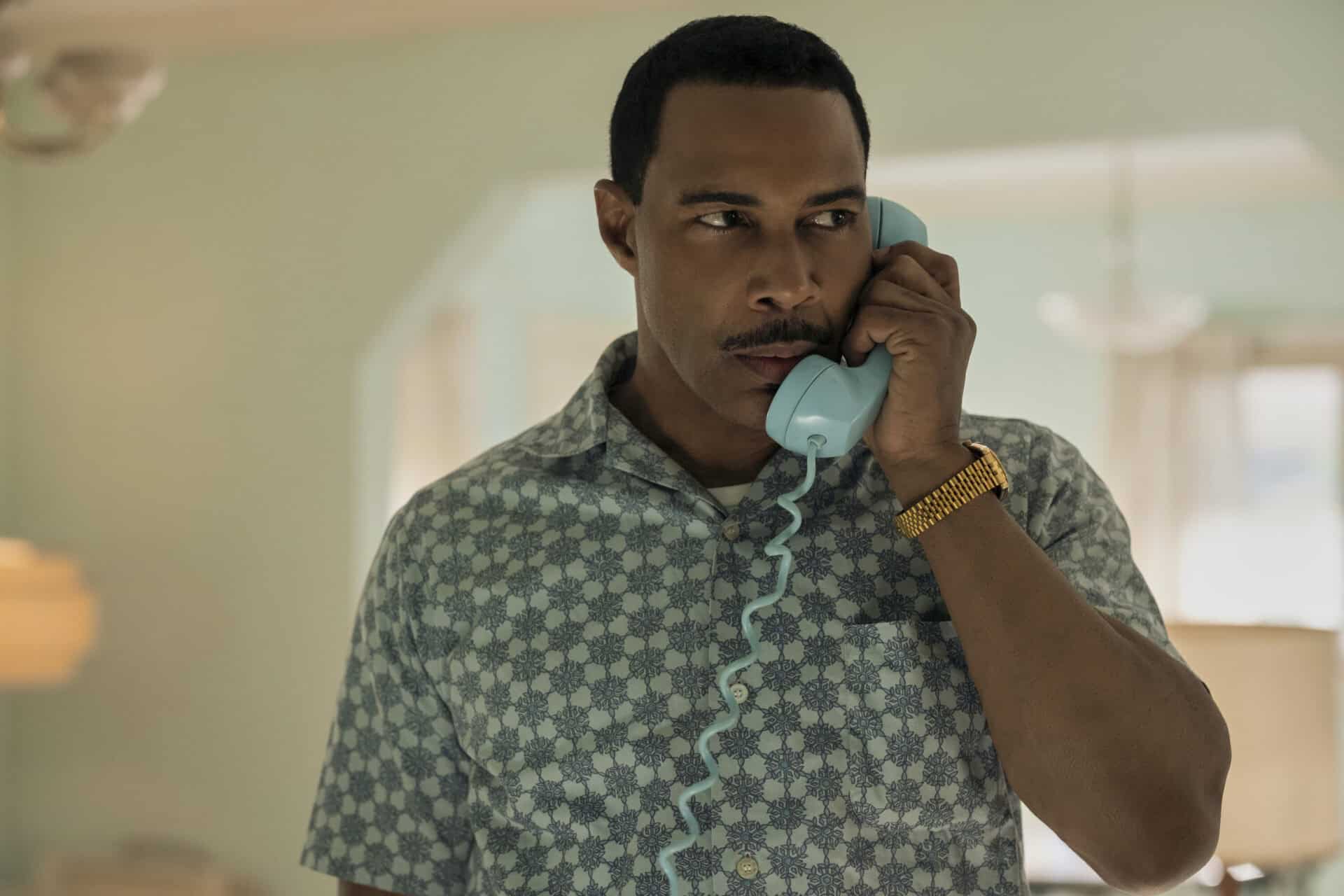
Throughout the season, it is made clear that Ali and his father, Cassius Sr., had issues. While Odessa is presented as someone who was willing to sacrifice and put her head down if it meant better for her boys, you can see Cassius Sr. didn’t always appreciate the idea of the world wanting him to sacrifice so that his boys could be greater.
Omari Hardwick 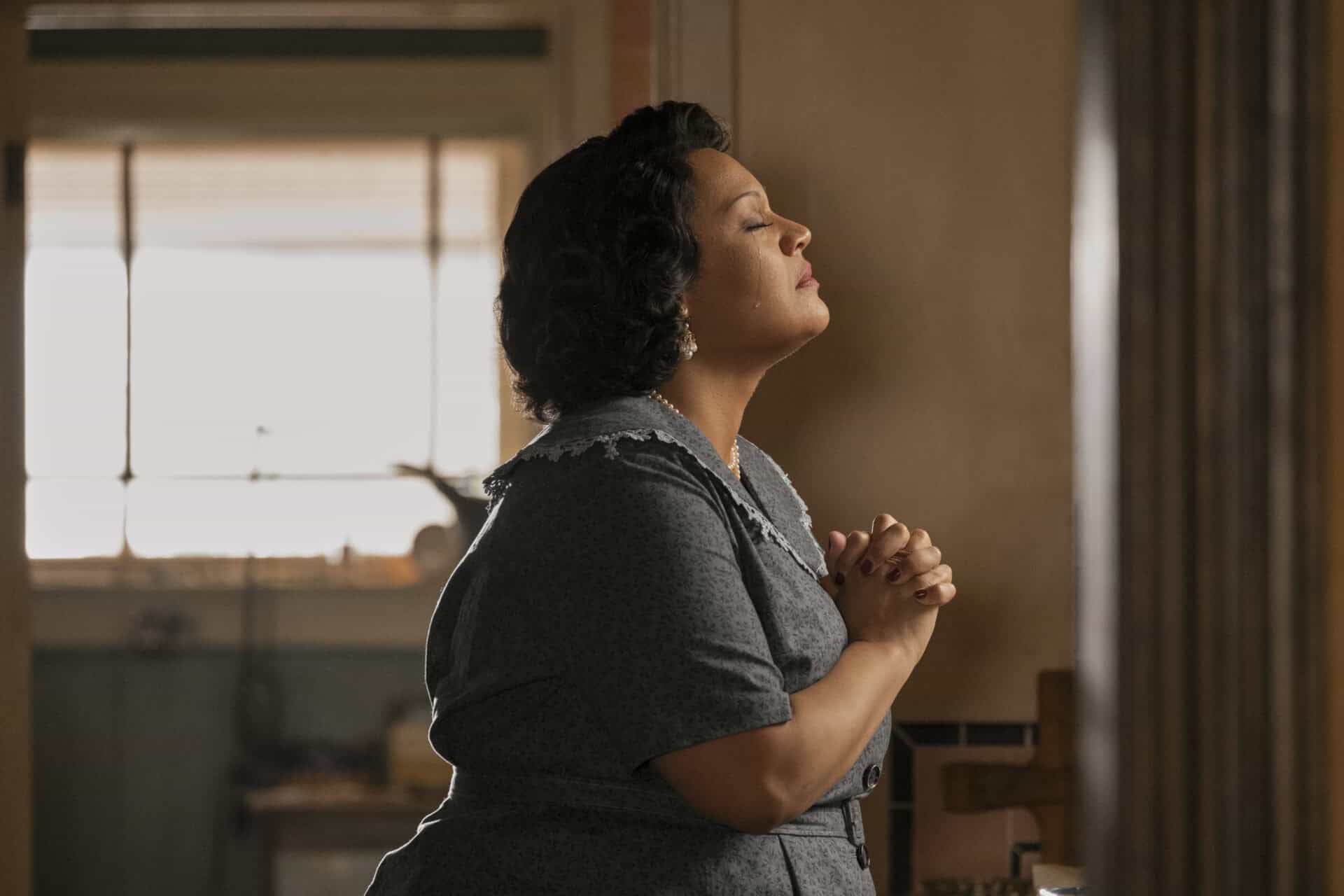
Dana Gourrier 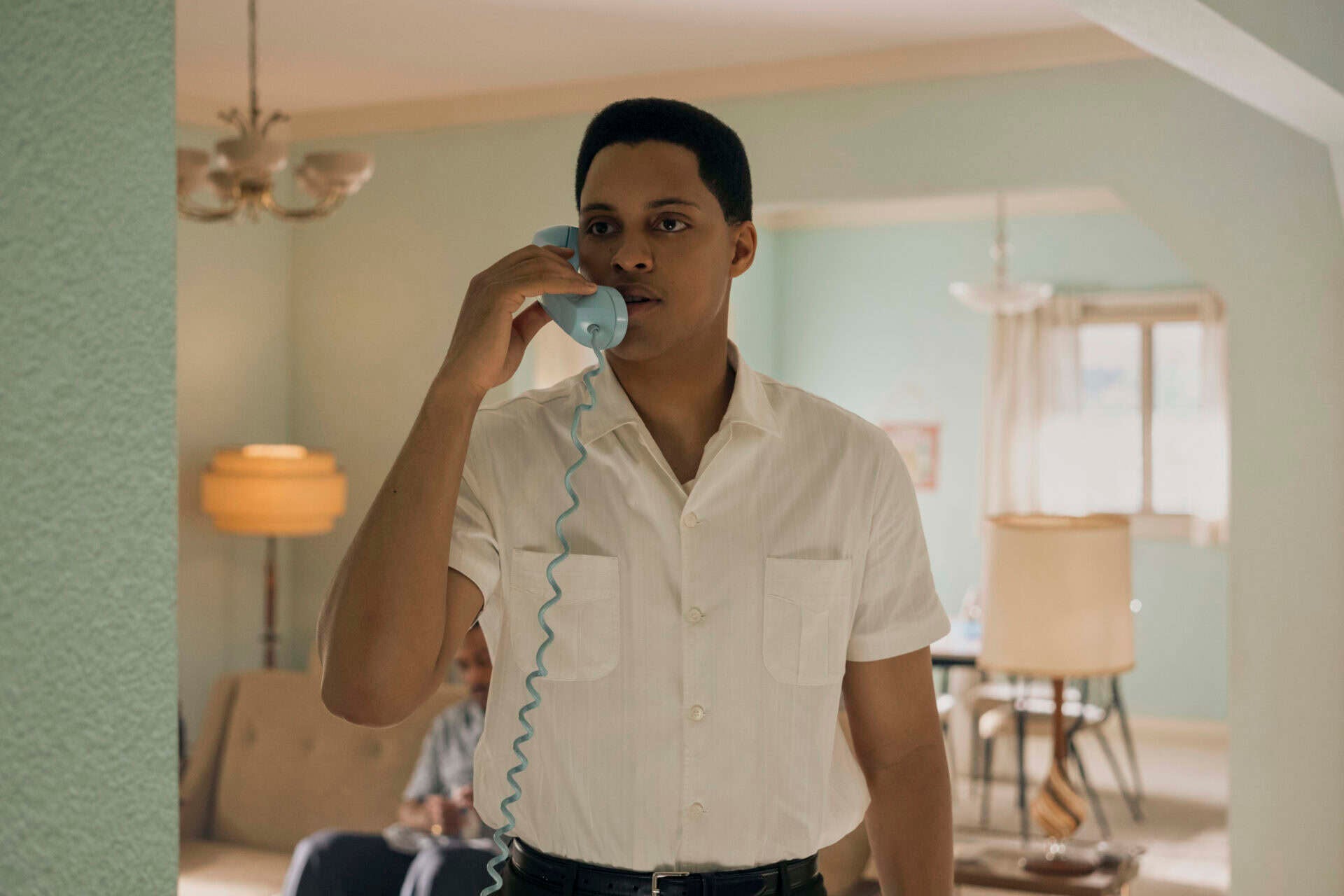
Kai Parham
This leads to a lot of family drama between them and, at times, it can feel like the weakest parts of The Greatest. On one hand, it helps you understand both why Ali had so much pride and, through watching his father, his example of what happens when dreams get deferred or don’t materialize. Yet, on the other hand, there are the snide comments and jealousy, watching Cassius Sr. drinking and avoiding one of Cassius’ homecoming parade after the Olympics, or how he gets when Odessa gets so much praise for raising Ali. It all feels less about understanding Ali’s father and more about creating tension. The kind that makes you roll your eyes sometimes, for it feels like it is for the sake of drama more than anything else.
The Fights [76/100]
I judge boxing scenes based on how much they get you into the fight. For most of the fights we see Ali in, there is nothing special or memorable about them. It isn’t just because, as someone who isn’t a huge boxing fan, I don’t know many names that aren’t as famous as Ali. Rather, it is because of the way the fights are shot; you neither get the thrill of watching two men fight nor get in the head of Ali or his opponent, to the point that you are ducking and moving around like you’re in the ring.
I’ll use the Creed movies, and one of my favorites, Southpaw, as an example. The camera doesn’t consistently have you feel the weight of taking or throwing a punch. The sound doesn’t highlight the impact, the heavy breathing from having to keep moving, or lunging all your weight into a punch. The psychology of being in a fight largely isn’t showcased in The Greatest, beyond Ali making fun of his opponents.
The only two exceptions are the final Sonny Liston fight, where the title being on the line creates real tension, and the Henry Cooper fight, because of how well he was built up. This creates another weak point of the series: for as much as Ali is spoken of for his showmanship, he is also a boxer known for his technique and fights. Yet, the majority of them don’t showcase that in a way that exhibits that side of his legend.
Modern Music Used For 60s Storytelling [74/100]
Because of the way Ali rhymed, even if he never claimed to be a rapper, he deserves to be seen as a precursor of rap music. However, I wouldn’t say that, even with acknowledging his place in the genre, the series perfectly integrates Ali’s rise in the early 60s with popular rap music released decades later.
Do the songs complement fight scenes and when Ali is on a high? Yes. But there was also music from his time that could cause a potentially less jarring effect. Also, considering how the series puts time into showcasing people who aren’t often associated with Ali’s rise, like Gorgeous George, using less-known music, especially from Ali’s time, which could fit the tone of the show better, feels like a missed opportunity.
Jaalen Best As Cassius Clay [78/100]
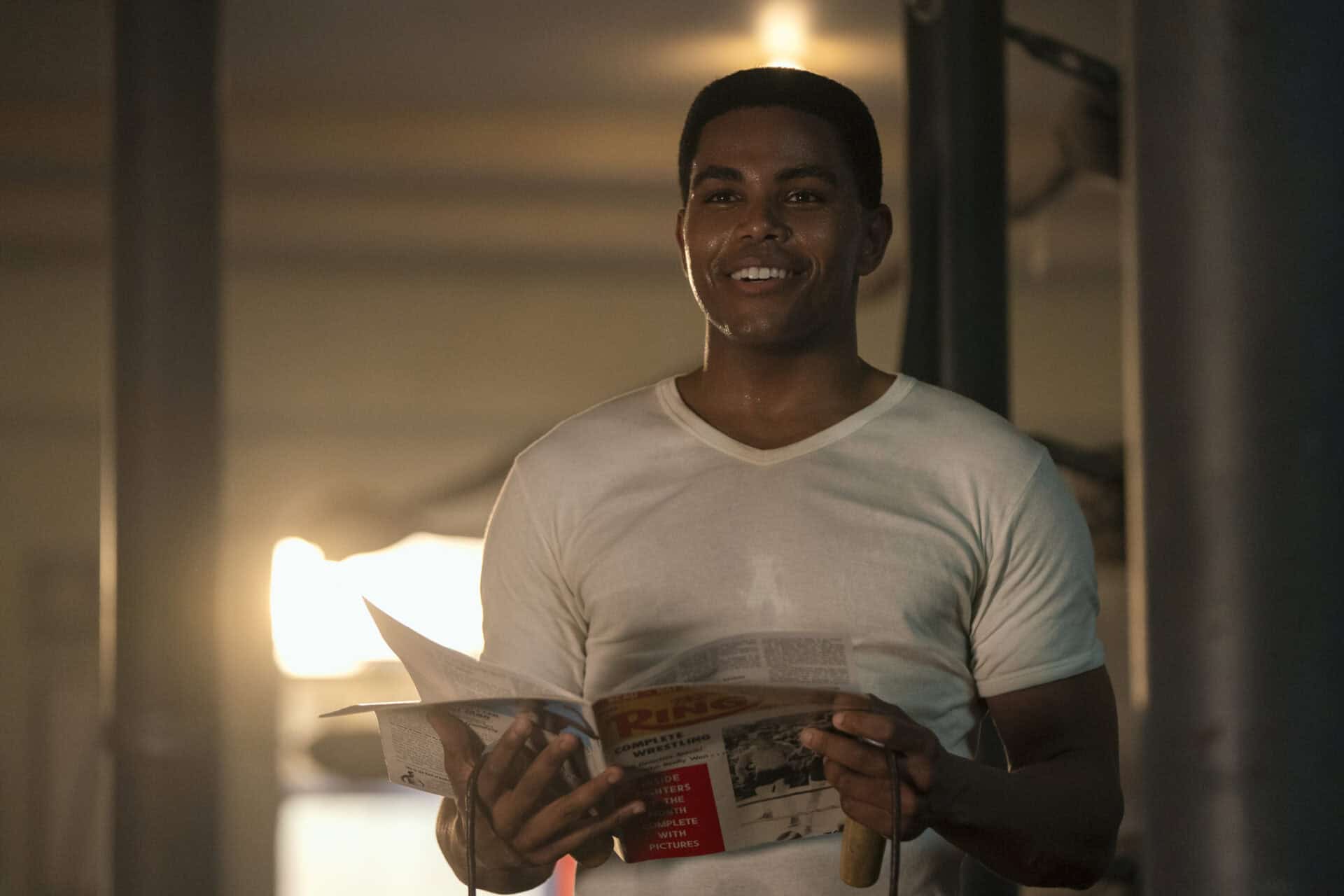
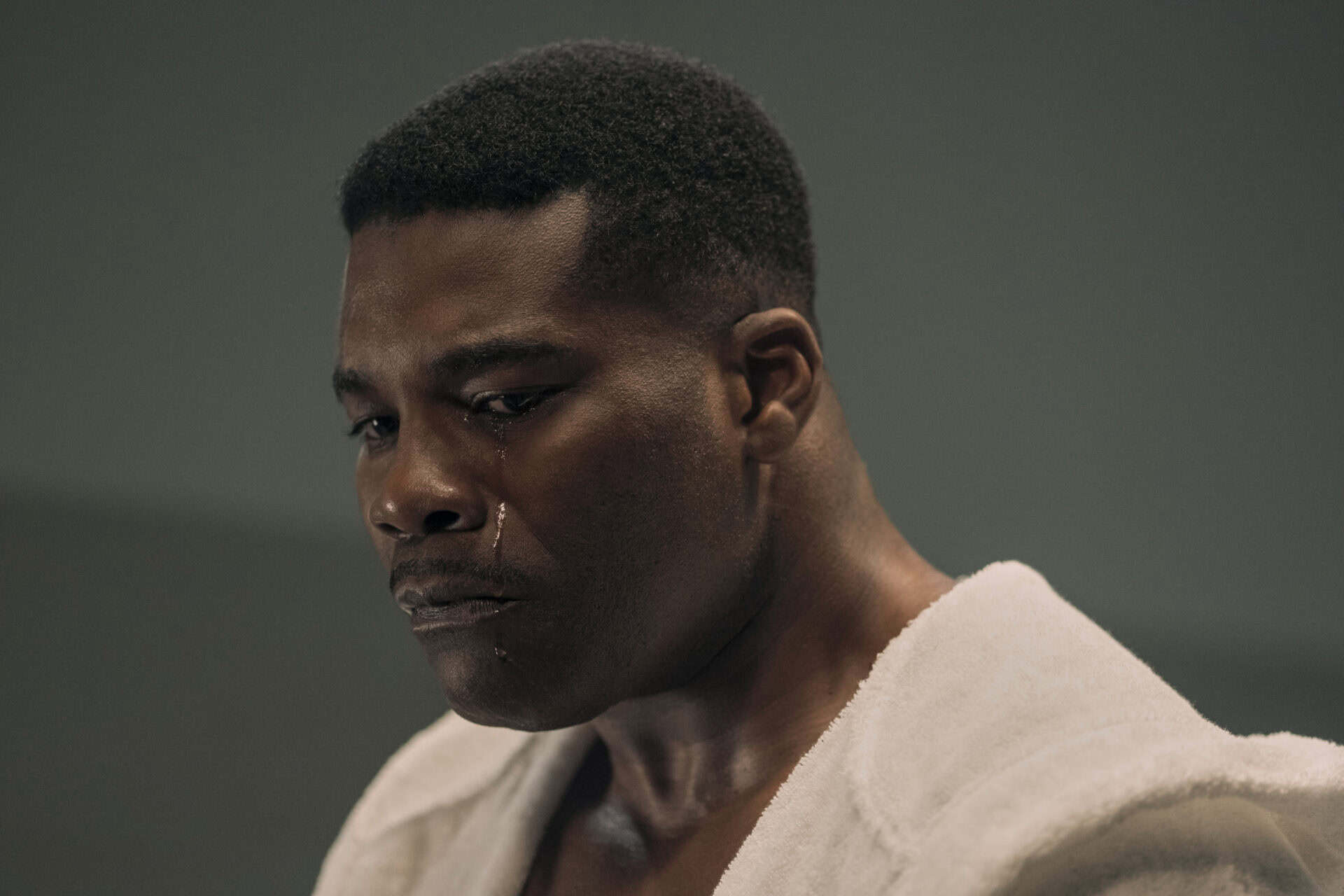
Let me begin by saying the look, the way he talks, and the way he moves make Best put on one hell of a performance as Ali. The problem is, similar to Chadwick Boseman as James Brown, it can sometimes feel like a good imitation rather than giving us the heart and soul of Ali. This especially becomes true for the moments which rely on Best where it isn’t about Ali’s public persona but him in private moments. When you’re reminded that, for much of the show, he is a young adult, barely out of his teens, and still finding himself.
Now, Best does get the benefit of showing us Ali in how he is rarely seen, but there are times when he is dealing with his dad, talking to a girl, anything that doesn’t deal with Ali the boxer, where it can feel like the use of creative licensing isn’t benefiting the story. For example, the myth of Ali throwing his medals into a river is shown in the series, and it gives Best a means to show himself as a dramatic actor.
I’d submit scenes like that don’t feel necessary. Not because we don’t deserve to see the man behind the legend, but because it feels like it is for Best’s benefit as an actor rather than to allow the audience to further understand Ali’s frustration or, in other scenes, his vulnerability or pain.
Overall
Our Rating (77/100): Mixed (Stick Around)
The Greatest is at its best when it makes it clear that Muhammad Ali being the greatest relied on what others offered him. Whether it was opponents like Sonny Liston and what they brought to the ring, or how Gorgeous George taught him how to be a showman. The culmination of all those interactions made Ali into the global icon he is, and with season 1 of The Greatest, you see the completion of the foundation that created an enduring career and legacy.
However, The Greatest also reminds you why most productions act as a highlight reel and don’t dwell on certain aspects of any public figure’s life too long. For while the fights, the drama, and even some of his struggles are engaging, they aren’t the selling point, and as much as Best is talented, he can’t make Ali’s family drama as interesting as Ali the legend.
What To Check Out Next
TV Shows We’re Covering This Season
Images used for editorial and commentary purposes. All rights remain with their respective copyright holders.