
Alicia Keys: Girl From Hell’s Kitchen (2026) – Review and Summary | Tribeca Film Festival
Alicia Keys: Girl From Hell’s Kitchen acts as both the making of the Broadway musical Hell’s Kitchen and the making of the artist known as Alicia Keys.
The Biopic tag features productions focused on various figures and telling their life story as seen by those closest to them, or third parties.

Alicia Keys: Girl From Hell’s Kitchen acts as both the making of the Broadway musical Hell’s Kitchen and the making of the artist known as Alicia Keys.

Zach Braff and Esther McGregor deliver a “Based on a True Story” film that doesn’t feel like an exploitation of someone’s hardship, but a call to action that doesn’t feel preachy.
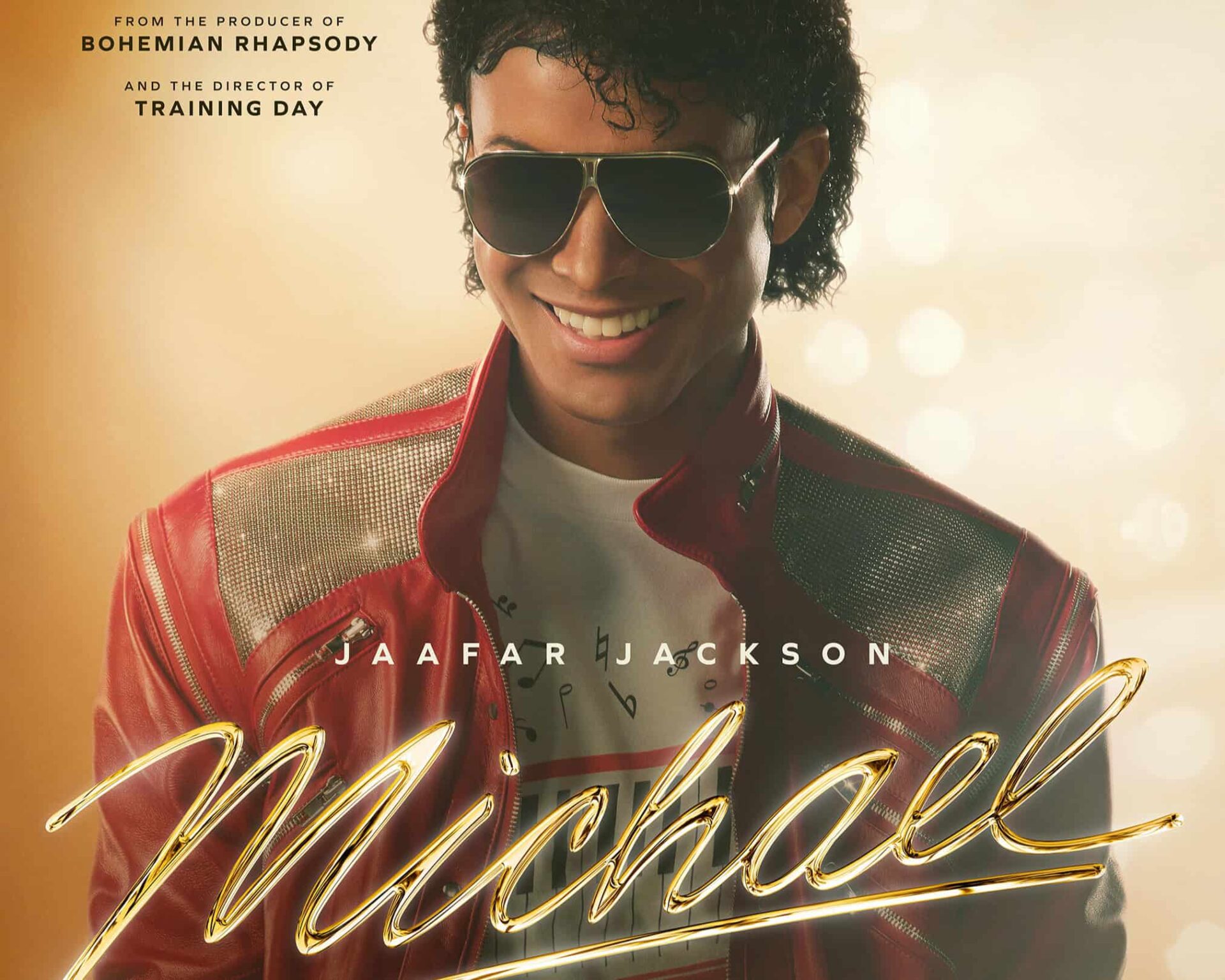
Like most biopics that do not promise to be warts and all, Michael is purely about recreating famous moments, focusing on what the public already knows, and not diving deep into its titular character.

While the boxing in Christy is lackluster, the story of Jim and Christy’s relationship compensates.
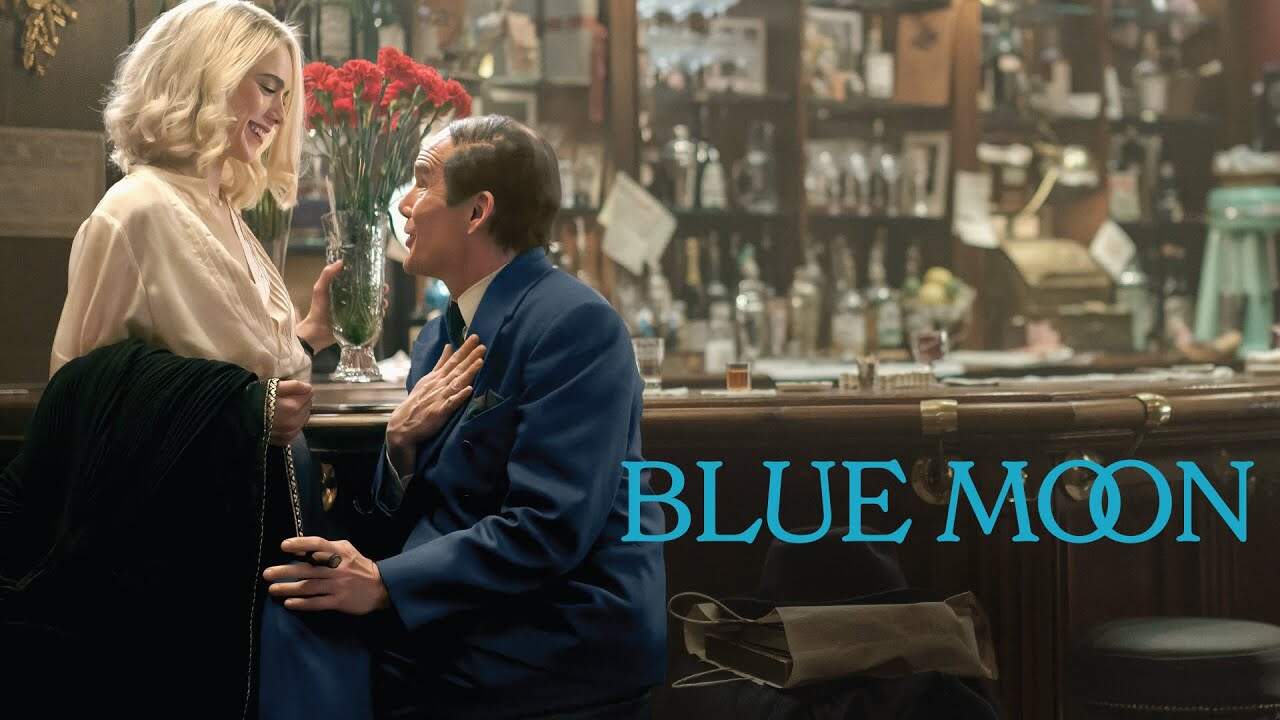
Watching a lonely but brilliant man struggle to validate that he is still relevant may not be everyone’s cup of tea, but that’s what Blue Moon offers.

While Tow has a wonderful story of perseverance, at times, its supporting characters draw the type of interest that pulls away focus from the lead.
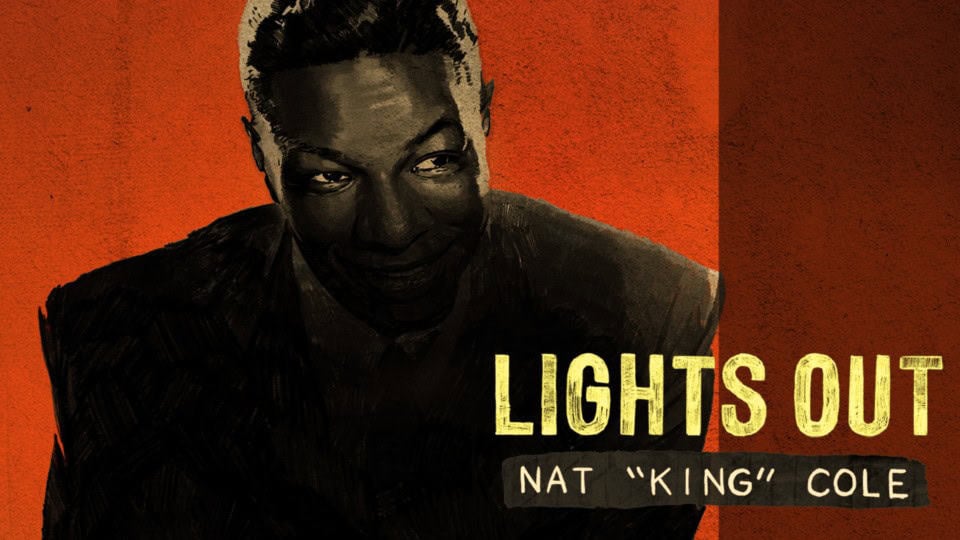
“Lights Out: Nat King Cole” sometimes allows Daniel J. Watts, as Cole’s internal strife, to get way too much of the spotlight.

The younger years of Frida Kahlo are brough to life via animation, and produce a wonderful display for those families or kids with someone who has sometimes debilitating ailments.
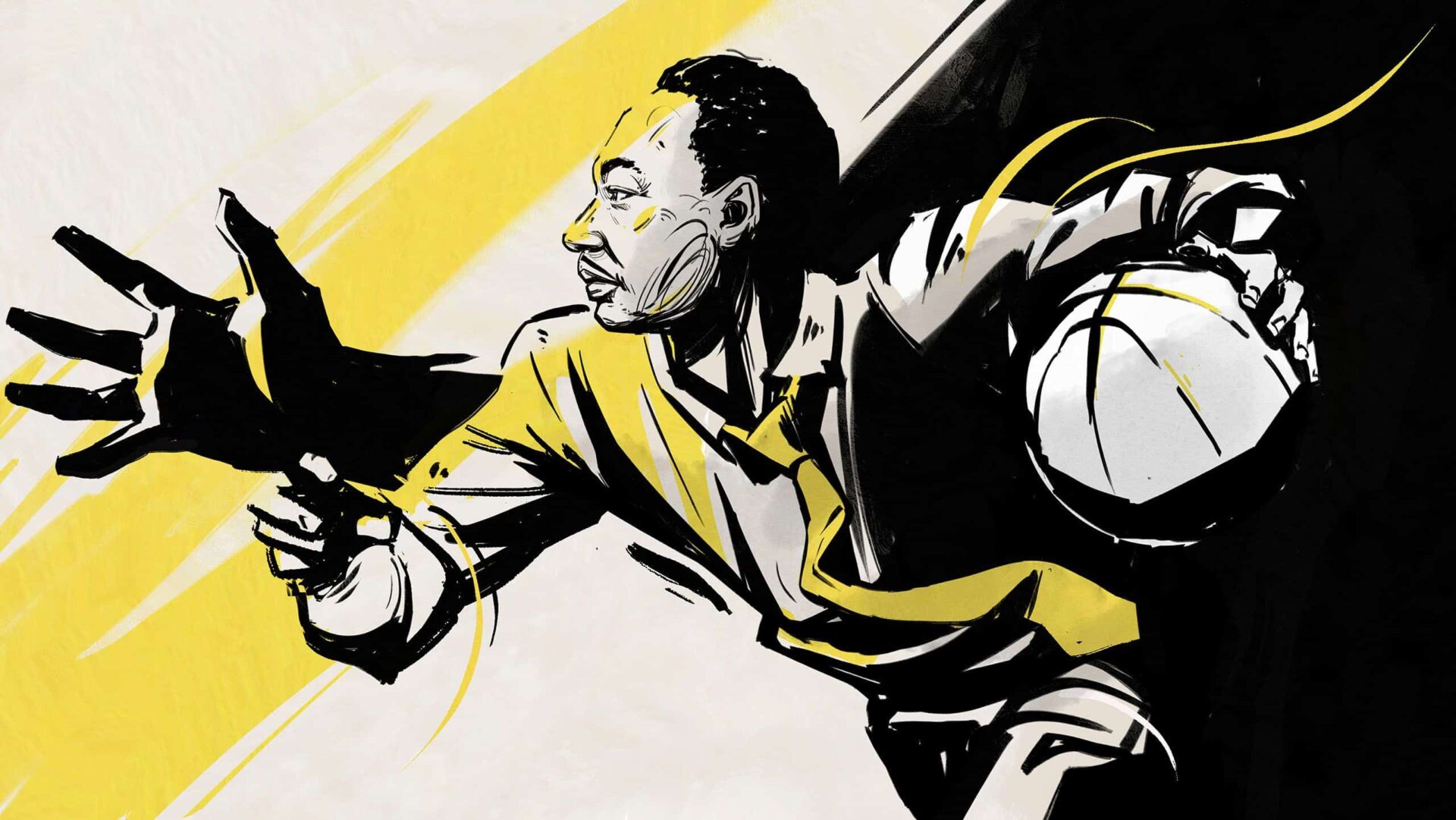
“Hoops, Hopes & Dreams,” alongside presenting how President Obama used Dr. Martin Luther King Jr.’s playbook, also presents MLK in the most engaging way you’ve ever seen.

Beyond being an inspirational story focused on Claressa Sheilds, “The Fire Inside” is a coming-of-age story you rarely see Black girls have on the big screen.

Welcome to Wherever I Look, your go-to destination for insightful and personable reviews of the latest TV episodes, movies, and live performances. Also, dive into our character guides and discover what’s truly worth your time.