
City On Fire: Season 1/ Episode 3 “The Family Business” – Recap and Review (with Spoilers)
While briefly addressing how Keith met Sam, we dive into what Nicky and his group are into and a Regan and William reunion.

Amari is the founder and head writer of Wherever-I-Look.com and has been reviewing media since 2010. He approaches each production with hope, rooting for every story to succeed, and believes criticism should come from unmet potential, while praise is reserved for work that meets or exceeds expectations.

While briefly addressing how Keith met Sam, we dive into what Nicky and his group are into and a Regan and William reunion.
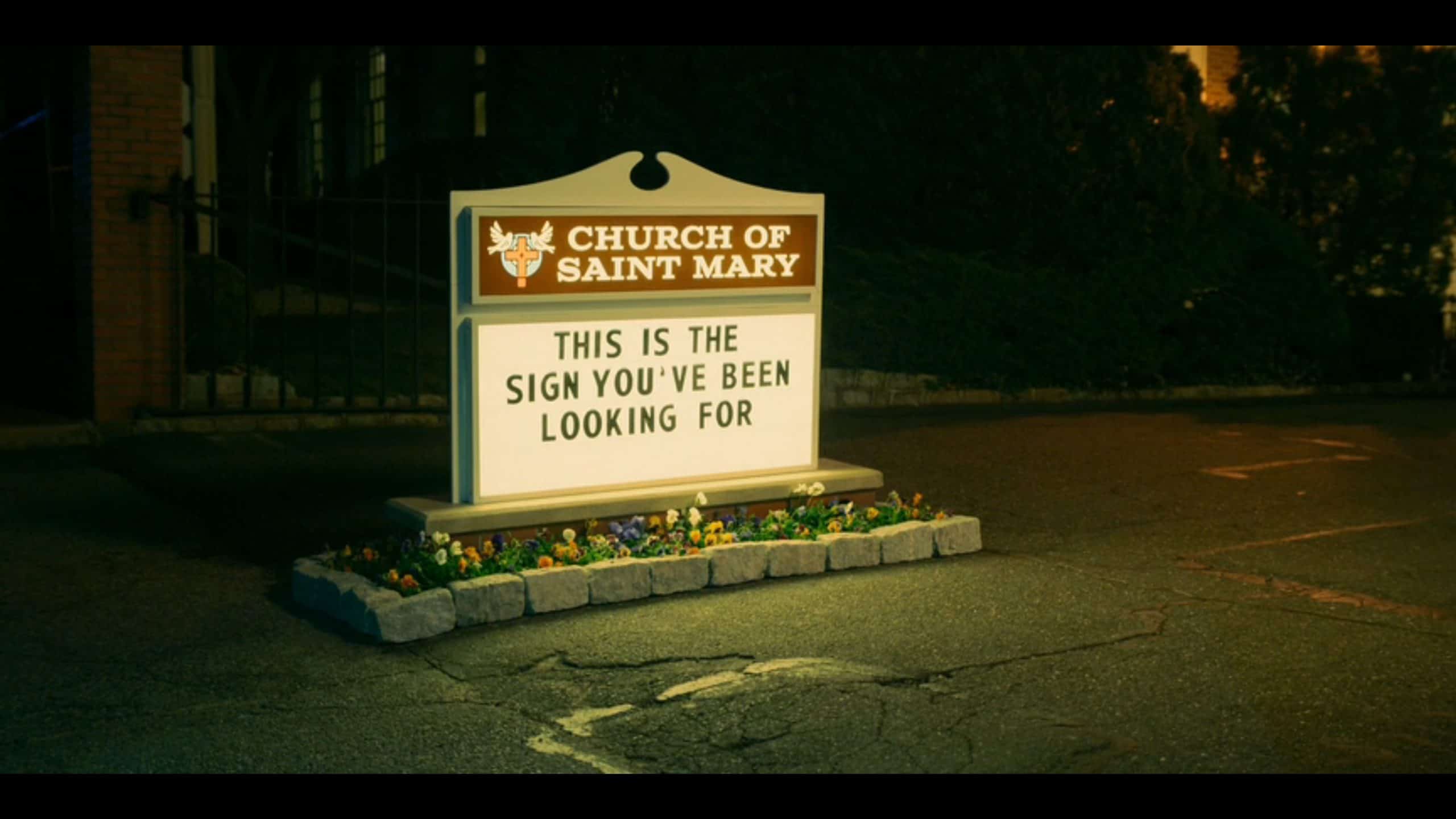
As Sam goes into surgery, the cops begin their investigation. Also, Regan is dealing with her father’s pending arrest and Sam’s friends looking to use those fireworks for some anarchy.

After almost 30 years, Robyn gets closure regarding the death of John McCall, her father who was murdered during a car hijack.

Set in 2003, this mystery has nothing but intriguing characters who draw you in quickly and leave you wanting to know more.

Both in the past and present, the Yellowjackets are pushed to address their trauma and find a way to heal – even if it isn’t the healthiest of ways.
Daveed Diggs makes another appearance as Colin as the western game Miles, Sean, and Ashley play gets fleshed out to involve their family, friends, and Trish’s enemy – Cuddie.

Keke Palmer’s “Big Boss” certainly had the potential to be something notable, but the music interrupts what brings the film value.
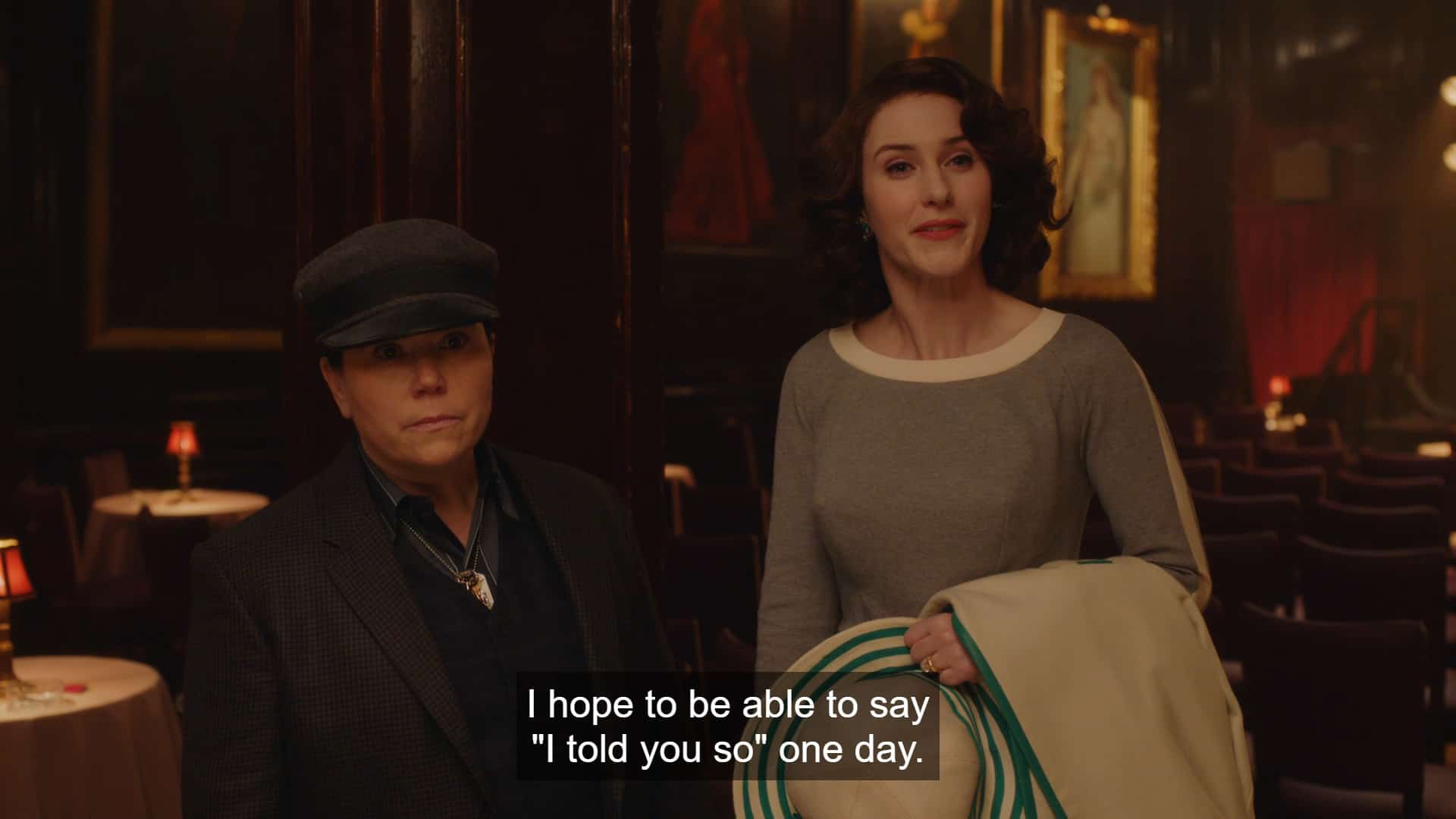
With the high of Susie and Miriam reconciling and learning how their professional relationship ended in the last episode, so comes the question of what’s left to cover?

“Monica,” in avoiding dramatics or the usual trauma porn feel of LGBTQIA+ stories, presents something which leaves you wanting more, in good and bad ways.

In a dramatic season finale, a rock legend finds himself struggling with his drug-addicted son’s survival, both in keeping him alive and the cost beyond his financials.

Welcome to Wherever I Look, your go-to destination for insightful and personable reviews of the latest TV episodes, movies, and live performances. Also, dive into our character guides and discover what’s truly worth your time.